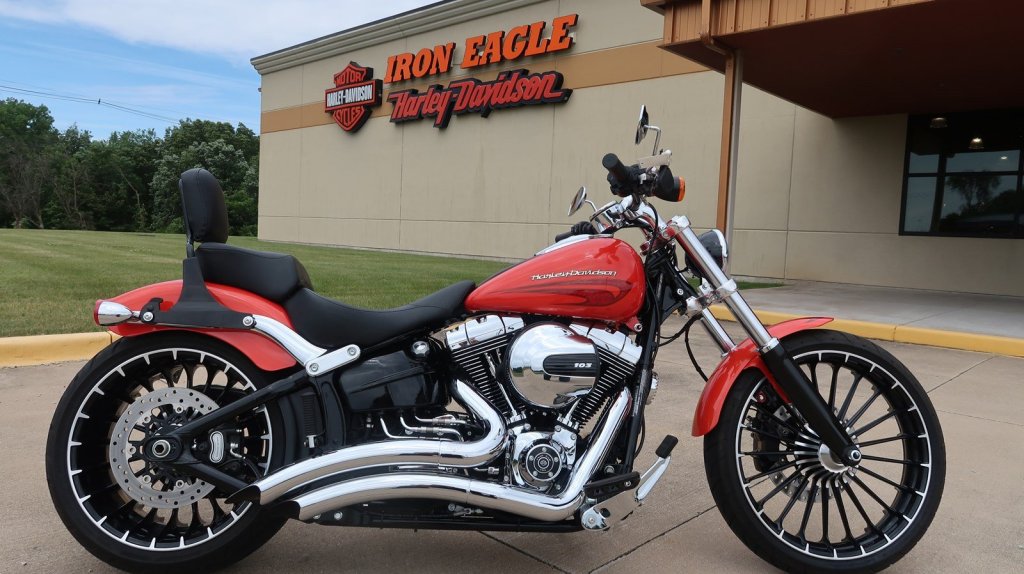
Harley-Davidson
Harley-Davidson competes in an industry that manufactures motorcycles, scooters, and parts. Specifically, Harley-Davidson sells motorcycles that are custom and unique for their customers. They also offer motorcycle training classes, parts and accessories, riding gear, and casual apparel. The organization is viewed to have a strong, profitable brand; however, they are expected to decline over the next five years due to economic conditions. Since Harley-Davidson offers expensive discretionary products, many people will not be able to purchase their product due to weak economic conditions. Honda is Harley-Davidson’s biggest competitor. Their competition is changing by focusing on fuel efficiency. Harley-Davidson gains a competitive advantage by offering better prices, higher quality, reliability, and modern product features.
The Harley-Davidson organization is targeting demographic customer segments. Customers that are age 45 or older consist of the largest market in the Motorcycle, Bike and Part industry accounting for almost half of the entire industry. Since Harley-Davidson is a lifestyle brand, they also focus on psychographic customer segments since they offer products that are based on the customer’s personality, attitude, and class. Based on their customer segments, Harley competes in geographic areas all across the United States. They compete in West coast, Southeast, Great Lakes, and Southwest regions. All geographic regions are based on favorable weather conditions. Harley focuses on having their businesses in warmer climate locations to sale their products year-round. In addition to the geographic areas in which Harley competes, they have supplies all around the world. They have dealers in the Philippines, Belgium, Italy, Turkey, and Norway. Harley has their brakes for the motorcycles imported from Italy, engine components are manufactured in Austria, suspension parts come from Japan, and most of the electrical components are imported from Mexico or China. The organization also has two assembly plants here in the United States, as well as facilities in Brazil and India.
Regulatory challenges that Harley Davidson faces is pollution control, safety regulations, and fuel consumption. The government requires Harley Davidson to meet the Clean Air Act emission’s standards. In past years, Harley-Davidson was allegedly accused of selling more than 300,000 tuner devices that allowed customers to modify the engine functions. The engine modification caused motorcycles to pollute air at higher rates than normal. Thus, Harley is required to follow the National Highway Traffic Safety Administration (NHTSA) regulations to prevent any future issues. They must also obtain a certification by the US Environmental Protection Agency to ensure that their bikes have proper emissions.
 Cj's Blog